
january 2026
Lower Bandwidth
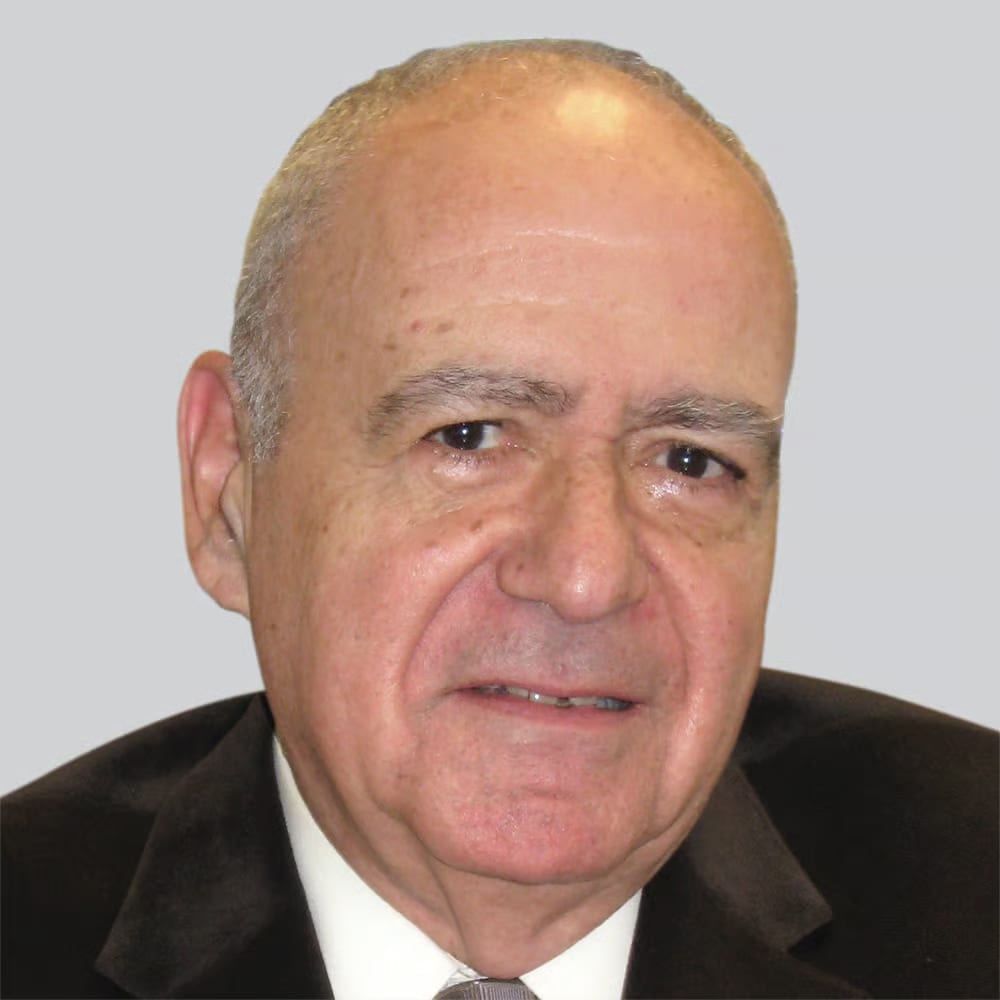
By Lou Fiore
The Hidden Power of the 450 MHz Business Band in the Alarm Industry
SHARE
The alarm industry possesses a valuable asset that is often overlooked: access to a segment of the 450 MHz business band. Despite its potential, few companies take advantage of these frequencies, typically opting for cellular communications instead. However, cellular networks have demonstrated vulnerabilities, particularly during severe weather events. Establishing a company-owned communications infrastructure not only eliminates recurring carrier fees but also provides a reliable backup solution. These frequencies offer a dependable method for alarm signaling from subscribers to central stations.
The allocation of these frequencies to the alarm industry dates back to around 1968. Key figures — George Smith of Smith Alarms, Sara Jackson of Denver Burglar Alarms, and Anthony Grosso of ADT — collaborated with Washington, D.C. attorney Jeremiah Courtney to persuade the FCC to reserve several frequencies in the 450 MHz business band exclusively for alarm company voice communications. These channels were designated specifically for UL and FM listed central station companies.
In subsequent years, alarm companies began using offset frequencies within the 450 MHz band for alarm system signals. Firms such as Seaboard, Cardinal Systems, Repco Security, Digisec, and Morse Products were among early adopters. These offsets, sometimes referred to by FCC officials as “garbage frequencies,” are located between the standard voice channels and are subject to restrictions concerning power and antenna height. Offset frequency users must not cause interference to regular channel users and must accept interference from them, similar to the conditions specified in FCC Part 15.
Advocacy efforts led to regulatory changes allowing increased transmitter power (2 watts output instead of 2 watts ERP), higher antenna placement above a manmade structure rather than above ground, and the licensing of fixed stations as mobiles. The latter means alarm customers can operate under the alarm company’s license without obtaining separate licenses. The industry also gained authority to coordinate both voice channel and offset frequencies.
Establishing a company-owned communications infrastructure not only eliminates recurring carrier fees but also provides a reliable backup solution. These frequencies offer a dependable method for alarm signaling from subscribers to central stations.
CSEPA (now The Monitoring Association) was also granted the authority to “coordinate” these frequencies. Frequency coordination involves assigning wireless systems to specific frequencies within a limited spectrum to avoid interference. The alarm industry’s coordinator ensures that devices operate smoothly without disrupting each other or existing licensed users.
In more recent times, with the emergence of ETL, industry representatives requested that the FCC update its rules. The regulation now stipulates that an alarm company must be “certified by one or more recognized rating agencies.” This would include ETL as well as UL and FM.
Over time, the use of voice channels by alarm companies declined, prompting other coordinators to seek general access to these frequencies. The alarm industry objected, leading to a compromise: these frequencies may be used for general purposes, but alarm system coordinators must approve any non-alarm system user to ensure no interference with alarm company operations. Thus, the industry retains significant control.
The volunteer FCC coordinator for The Monitoring Association role involves filing FCC Form 601 for alarm companies, selecting suitable frequencies from the FCC database and paying the necessary fees. Considerations include company certifications and geographic proximity to other users.
The number of systems manufactured for offset frequencies has decreased, with AES Intellinet emerging as a dominant provider. AES technology operates within the TMA-coordinated 450 MHz UHF spectrum, utilizing transmit and receive offsets to maintain communication across a private mesh network. Each AES unit functions as both transmitter and receiver, forming a self-healing system that ensures alarm signals reliably reach the central station.
Due to bandwidth limitations at these frequencies, AES and similar systems cannot transmit large amounts of data but excel in reliable alarm signaling. They are frequently deployed alongside cellular systems, which handle higher data volumes, such as video. Feedback from AES dealers indicates that their technology is relied upon for critical alarm transmissions, while IP and cellular systems manage broader data flows. Although broadband and cellular networks offer greater data capacity, UHF radio technology is recognized for its reliability.
Establishing a private radio network for voice and data communications is an effective strategy for protecting businesses against disruptions in commercial networks, whether caused by natural disasters or human actions.
SHARE
Lou Fiore is principal of LTFiore Inc., a past president of the Central Station Alarm Association (CSAA), and former chair of the Alarm Industry Communications Committee (AICC).