january 2026
Monitoring Trends
By John and Chris Brady


Beyond Video: The Top Trends in Monitoring
SHARE
As illustrated by The Monitoring Association’s (TMA) OPSTech 2025, hosted by ECAM, the monitoring industry exemplifies continued interest and investment in video monitoring. However, the industry has also been trending towards consolidation, contract monitoring, AI chatbots for non-signal related tasks, ASAP-to-PSAP, and PSAP or 911 overflow.
The 2025 TMA Annual Meeting provided a forum for public safety organizations to highlight their view of the state of life-safety response. This year, the discussion included the aging 911 systems throughout the country and the monitoring industry’s ability to support the public safety community in the event 911 systems are offline or overwhelmed with call volume.
At the 2025 TMA Mid-Year Meeting, we had the opportunity to discuss the impact that private equity is having on the industry. As capital continues to be attracted by this industry, we are seeing an increase in consolidation. With Beckler Monitoring, we have witnessed a significant investment in the space, and we expect to see these organizations continue to deploy capital through acquisition.
Artificial intelligence (AI), large language models (LLM) and chatbots are allowing the industry to hand off non-signal related tasks to systems that are sophisticated and more user friendly than the VIRs of the past. Although the industry has been slow to adopt these technologies, they will quickly be important components of a central station infrastructure in years to come.
Large providers continue to choose to transition to third-party monitoring. In the past, organizations would reach a critical mass that often justified (at the time) making the investment to “build” their own monitoring center as smaller dealers evolved into what each entrepreneur felt was a “full service” model.
The 2025 TMA Annual Meeting provided a forum for public safety organizations to highlight their view of the state of life-safety response.
Historically, the security industry was slow to adopt new technologies, so the provision of security, access and fire monitoring services were somewhat static and predictable for their customers to choose from. The contract monitoring centers that smaller dealers could choose from were also just stepping into early automation and more operator efficient models.
As the technology pace picked up in the pre-COVID period, both as to device intelligence and thus related monitoring services, the economics of maintaining or building your own monitoring center became far more daunting. Meanwhile, contract monitoring centers across the U.S. began to gain real economic and workforce management advantages that they could provide mid-sized dealers at a lower cost.
The expansion of life-safety services that could be offered in the marketplace needed to be supported by the evolution of central station software that could handle those new technologies and services. In addition, coming out of COVID 2020, the challenges of hiring and maintaining well-trained central station operators grew exponentially.
The “economies of scale” and faster introduction of new life-safety devices and services has moved contract monitoring providers into the forefront as all life-safety companies are now looking to better economics, a higher level of service and a faster ability to adopt new technology through “partnering” with monitoring centers.
“Monitoring is evolving quickly,” said Don Maden, senior executive vice president, COPS Monitoring, Williamstown, N.J. “AI-driven analytics are helping cut through noise by identifying meaningful activity and reducing false positives, which means operators can focus more on the situations that matter most.”
These concentrated providers of monitoring center services are able to provide all the benefits of “personalized service” while maintaining full redundancy, UL software and operating platforms and integrating new technologies such as ASAP-to-PSAP, and AI-based response solutions.
The level of investment to maintain a wide array of monitoring solutions has grown dramatically and the days of “the answering service/monitoring center in the back room” is fast approaching a thing of the past.
SHARE
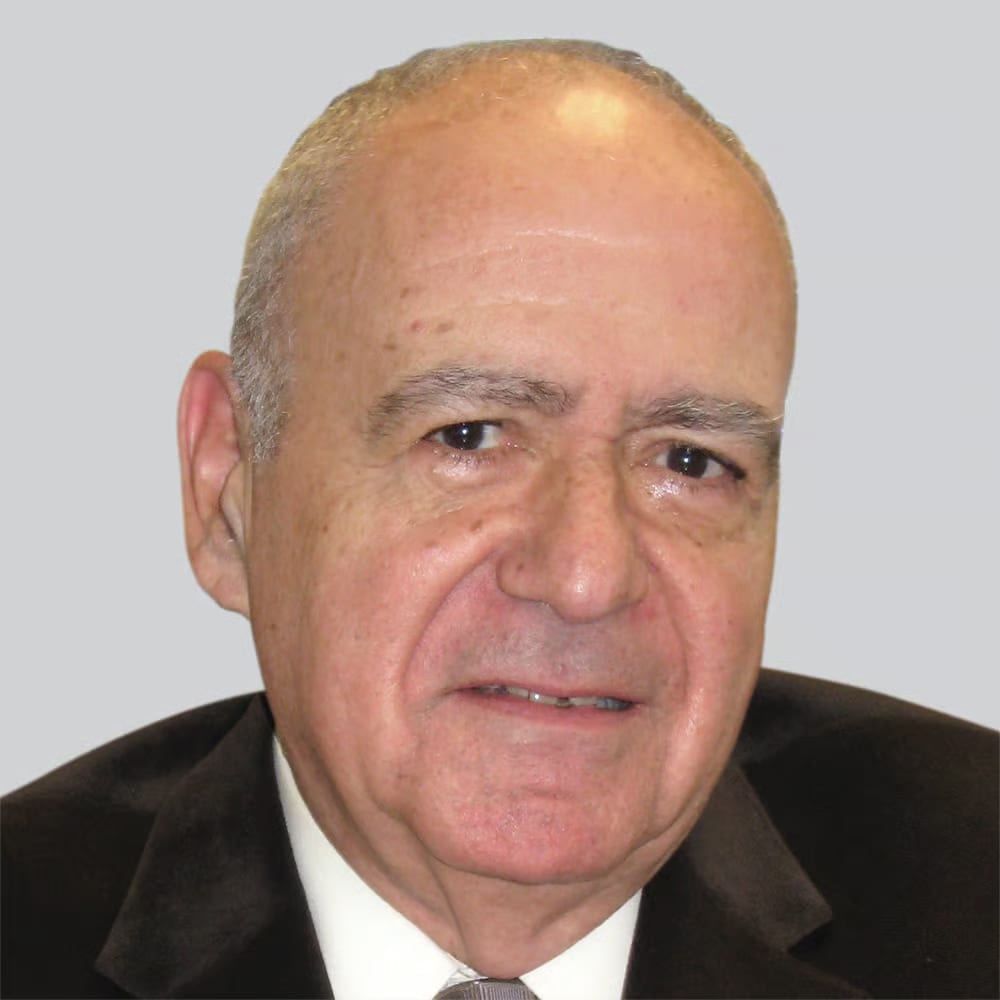
Christopher Brady, vice president at TRG Associates Inc., brings extensive operational experience in fire protection and electronic security. He has served as interim CFO and board member for multiple organizations, supporting entrepreneurs, investors and financial institutions through operational reviews, process improvements and equity-related litigation matters.
John Brady, principal of TRG Associates Inc., has held senior financial leadership roles in multiple organizations. He founded The Resource Group Inc., which has advised companies, investors and lenders on acquisitions, capital placement, valuations, expert testimony and turnaround engagements within the security and fire industry. Bio images courtesy of TMA.